How Dust and Allergens Build Up in Window Treatments
To reduce dust and allergens buildup in window treatments, local contractors can provide thorough cleaning services that improve indoor air quality and maintain a healthier home.
Understanding how dust and allergens build up in window treatments is an important step for property owners looking to maintain a healthy and comfortable environment. Over time, these particles settle into fabrics, blinds, and curtains, often becoming hidden sources of indoor allergens that can affect air quality and trigger allergies. For those managing homes or rental properties in the area, staying informed about this buildup can help in making practical decisions about cleaning and maintenance, ensuring that window treatments stay fresh and less likely to harbor irritants.
Fortunately, local service providers offer specialized window treatment cleaning services designed to address this common issue. These professionals have the expertise to safely remove dust and allergens from a variety of window coverings, helping property owners keep indoor spaces cleaner and healthier. Exploring options for professional cleaning can be a straightforward way to maintain the longevity of window treatments while reducing potential allergen buildup, making it easier to enjoy a comfortable, allergen-free environment year-round.
- Dust and allergen window treatment cleaning - is needed when dust and allergens accumulate over time, causing potential respiratory issues, and local contractors use specialized methods to thoroughly remove buildup. Dust and allergen window treatment cleaning - is essential after allergy season or if residents notice increased sneezing, with local service providers employing effective cleaning techniques to eliminate hidden dust. Dust and allergen window treatment cleaning - becomes necessary when window treatments appear dusty or stained, and local pros utilize tailored cleaning approaches to restore cleanliness. Dust and allergen window treatment cleaning - is recommended for homes with allergy sufferers or pets, with local contractors focusing on deep cleaning to reduce airborne allergens trapped in fabrics and blinds. Dust and allergen window treatment cleaning - is often needed during routine maintenance or after renovations, with local service providers ensuring window treatments are free of dust and allergens for improved indoor air quality.



When people search for information about how dust and allergens build up in window treatments, they are often concerned about indoor air quality and the overall cleanliness of their living or working spaces. Over time, window coverings such as blinds, curtains, and shades can trap and accumulate dust, pet dander, pollen, and other airborne particles. These allergens can become embedded in the fabric or slats, making them difficult to remove with routine dusting. Many individuals are interested in understanding the causes of this buildup to better manage their indoor environment and reduce potential health issues associated with allergens.
This topic is closely related to common problems such as allergy flare-ups, respiratory irritation, and the desire to maintain a healthier home or office. It often ties into plans for deep cleaning or renovation projects aimed at improving indoor air quality. For property owners with allergy sensitivities or respiratory conditions, knowing how dust and allergens gather in window treatments can influence decisions about cleaning frequency and the types of window coverings used. Additionally, those planning to sell or rent a property may seek professional cleaning services to ensure window treatments are free of buildup, enhancing the property's appeal and hygiene.
The types of properties where this issue frequently arises include residential homes, especially those with pets or smokers, as well as commercial spaces like offices, clinics, or hospitality venues. Homes with large windows or extensive window treatment coverage tend to see more dust accumulation simply because of the increased surface area. In commercial settings, high traffic and frequent use of window coverings can lead to quicker buildup of allergens and dust. These environments often benefit from the expertise of local contractors who specialize in cleaning and maintaining window treatments, helping property owners keep their spaces clean and allergen-free.
Understanding how dust and allergens build up in window treatments connects directly to practical projects for homeowners and property managers. Regular cleaning can be challenging due to the delicate or intricate nature of many window coverings, which is why many choose to work with local service providers. These professionals have the tools and experience to thoroughly clean and remove embedded dust and allergens from various types of window treatments. Engaging with local contractors ensures that window coverings are properly maintained, reducing allergen levels and improving indoor air quality, all while saving time and effort for property owners.
Upholstery Cleaning - professionals in upholstery cleaning have skills in removing dust and allergens from fabric surfaces, similar to cleaning dust buildup in window treatments.
HVAC Duct Cleaning - local contractors specializing in duct cleaning understand how airborne particles settle in indoor fabrics and coverings, which relates to allergen buildup in window treatments.
Blinds and Shade Restoration - experts in restoring and cleaning blinds and shades can help reduce dust accumulation, paralleling the cleaning needs of window treatments impacted by allergens.
Carpet and Floor Cleaning - carpet cleaning specialists are experienced in removing allergens and dust from large fabric surfaces, similar to those found in window treatments.
Allergen-Reducing Treatments - service providers offering allergen-reduction solutions can assist in minimizing dust buildup on window coverings and similar surfaces.
Home Air Quality Assessments - professionals conducting air quality evaluations are familiar with how dust and allergens settle in various household surfaces, including window treatments.

When comparing local contractors for dust and allergen window treatment cleaning, it’s important to consider their experience with similar projects. Homeowners should inquire about how long the service providers have been handling cleaning jobs involving window treatments and whether they have worked with different types such as blinds, shades, or drapes. An experienced contractor will have a better understanding of how dust and allergens tend to accumulate in various window coverings and will be more likely to use effective cleaning methods to address these issues thoroughly. This background can help ensure that the cleaning process is both efficient and effective in reducing dust and allergen buildup.
Clear written expectations are essential when evaluating potential service providers. Homeowners should seek detailed descriptions of what the cleaning process involves, including the types of cleaning techniques used and the scope of work. Having a clear understanding of what will be done helps avoid misunderstandings and ensures that the contractor’s services align with the homeowner’s needs. Additionally, it’s beneficial to ask about the materials and tools used, especially if there are specific concerns about delicate fabrics or allergy sensitivities. Well-defined expectations contribute to a smoother experience and help ensure the cleaning results meet the homeowner’s standards.
Reputable references and good communication are key factors in selecting a dependable local contractor. Homeowners can ask for references or reviews from previous clients who had similar dust and allergen concerns with their window treatments. Positive feedback about the contractor’s professionalism, reliability, and attention to detail can provide valuable insight into their work quality. Furthermore, effective communication-such as prompt responses to questions and clarity in discussing the project-can make the process more straightforward. Choosing a service provider known for transparent communication and a solid reputation can lead to a more satisfactory experience and better results in reducing dust and allergens in window treatments.
Property owners often search for how dust and allergens build up in window treatments when they are planning practical projects around their homes and businesses. Local pros provide Dust and Allergen Window Treatment Cleaning services for everyday jobs and straightforward project options.
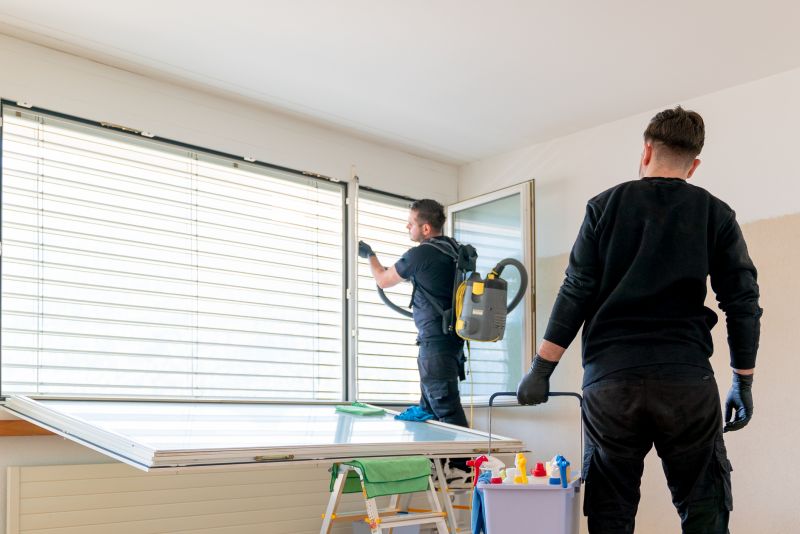
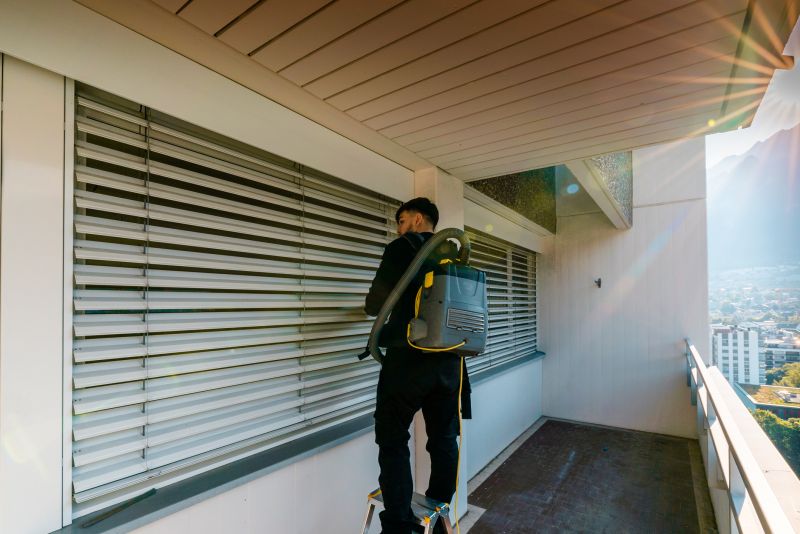
Dust and allergens tend to accumulate in window treatments over time, especially in homes where windows are frequently opened or where air circulation is limited. Everyday activities like opening and closing curtains or blinds can stir up particles that settle into fabric, wood, or vinyl surfaces. Additionally, factors such as pet dander, pollen, and household dust contribute to the buildup, making window treatments a common source of indoor allergens. Property owners in the area often seek out professional cleaning services to help reduce these particles, improving indoor air quality and maintaining a cleaner living environment.
Many local contractors offer specialized services to address dust and allergen buildup in window treatments, helping homeowners keep their spaces healthier and more comfortable. Regular cleaning by professionals can effectively remove accumulated dust, pet hair, and other allergens that are difficult to eliminate with standard household cleaning. Whether dealing with fabric curtains, blinds, or shutters, property owners can consider reaching out to local service providers who have the tools and expertise to thoroughly clean and refresh window treatments, contributing to a cleaner, allergen-reduced home.
How do dust and allergens accumulate in window treatments? Dust and allergens settle on window treatments over time due to everyday air circulation, household activities, and outdoor particles entering through open windows, leading to buildup that can affect indoor air quality.
Why are window treatments prone to dust and allergen buildup? Window treatments have surfaces that trap dust and allergens easily, especially if they are made of fabric or other porous materials, making regular cleaning essential to reduce accumulation.
How can local service providers help with dust and allergen buildup in window treatments? Local contractors offer cleaning services that remove dust and allergens effectively, helping improve indoor air quality and prolong the life of window treatments.
What factors contribute to the faster buildup of dust and allergens in window treatments? Factors include household dust levels, presence of pets, indoor humidity, and the frequency of cleaning, all of which influence how quickly dust and allergens accumulate.
What types of window treatments are most susceptible to dust and allergen buildup? Fabric blinds, curtains, and soft window coverings tend to trap more dust and allergens compared to hard, smooth surfaces, making regular cleaning more important for these types.
Understanding dust accumulation - Recognizing how dust and allergens settle in window treatments can help property owners plan regular cleaning routines with local contractors.
Choosing the right cleaning methods - Learning about effective cleaning techniques enables property owners to work with local pros to reduce allergen buildup in various window coverings.
Scheduling routine cleanings - Establishing a regular cleaning schedule with local service providers can prevent excessive dust and allergen accumulation over time.
Identifying high-risk areas - Knowing which parts of window treatments tend to trap dust helps property owners coordinate targeted cleaning efforts with local contractors.
If you are thinking about how dust and allergens build up in window treatments for a property, this guide is meant to help you understand this topic, the typical project types, and how different options might fit your plans.
When you are ready, you can use the quote form on this page to share a few details about your project. From there, local pros can review the basics and follow up with options that match what you have in mind.